
Societies
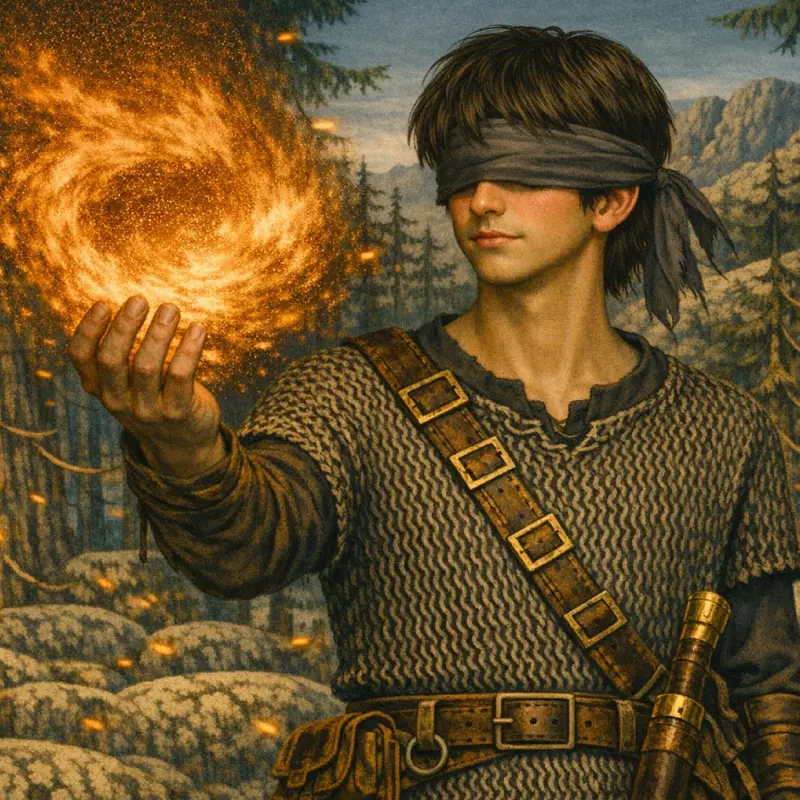
Magic (it’s a Fantasy book after all)
Most magic in this world is practical and varied. Battle mages are very good at aiming and extending the range of projectiles and tossing the occasional fireball but are not necessarily any good as healers – and the reverse is true for healers. Mistral is adept at healing soft body injuries and infections but is not very good with mending bone injuries. Timolen (although he claims to have no magical ability) can move in total silence and disappear into shadow. Some mages are also adept at detecting untruths.
- Our chauvinistic Empire has only male battle mages in their Legions, while females and males can be healers. Of course, male healers and battle mages are officers in the Legion while females are mere auxiliaries. Citizens of the empire tend to be untrusting of magic.
- Druids are the battle mages for the Celts of Gwynedd. Nobody, including the Celts, particular likes Druids (human sacrifices and all).
- The Celts of Snowdonia have expelled all practitioners of magic from their Kingdom. The Snowdonian Celts consider mages akin to Demons and greatly fear them.
- Dwarfish mages are exclusively witches (female). The Dwarfs do not have an aversion to magic.
- Anomie can detect people with the power, and they all have varying abilities as healers. Of course, about once every generation a very different kind of Anomie is born.
- Magyars have their Wise Ones – which can be male or females.
- Huns call their mages Shaman. Krekka does not have a high opinion of their ability.
Another kind of Mage appears infrequently. The kind that can single-handily destroy an entire army or warp life into new forms (such as a race of flying females). Everyone has a healthy fear this kind of Wizard/Witch. The story has two of these.
THE NEWSLETTER
JOIN THE JOURNEY

Subscribe to receive updates on new releases, exclusive excerpts, and insights into the world of The First Law Is Survival.
