
The Setting
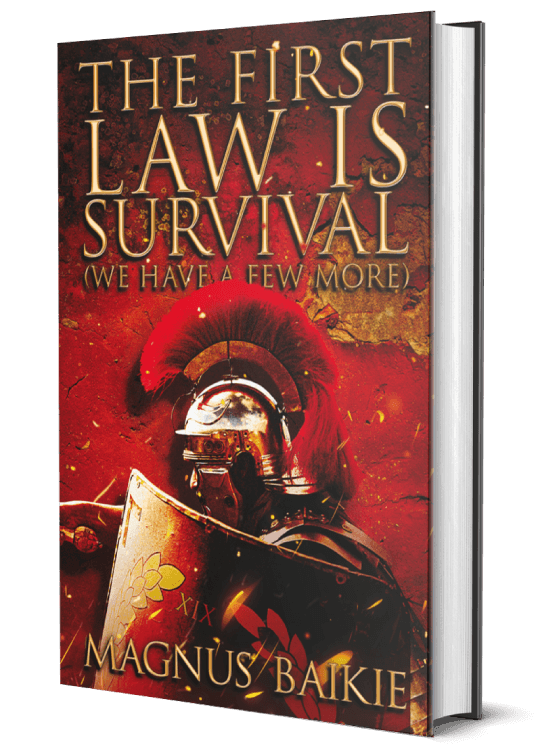
What the reader will notice immediately is which ancient world I have placed the story (the book cover gives it away). I have made some major transgressions – here is a list of some of them:
- I don’t have enough Centurions in a Legion
- I have an Emperor fighting Celtic tribes
- Huns (not to mention Magyars) show up four centuries too early
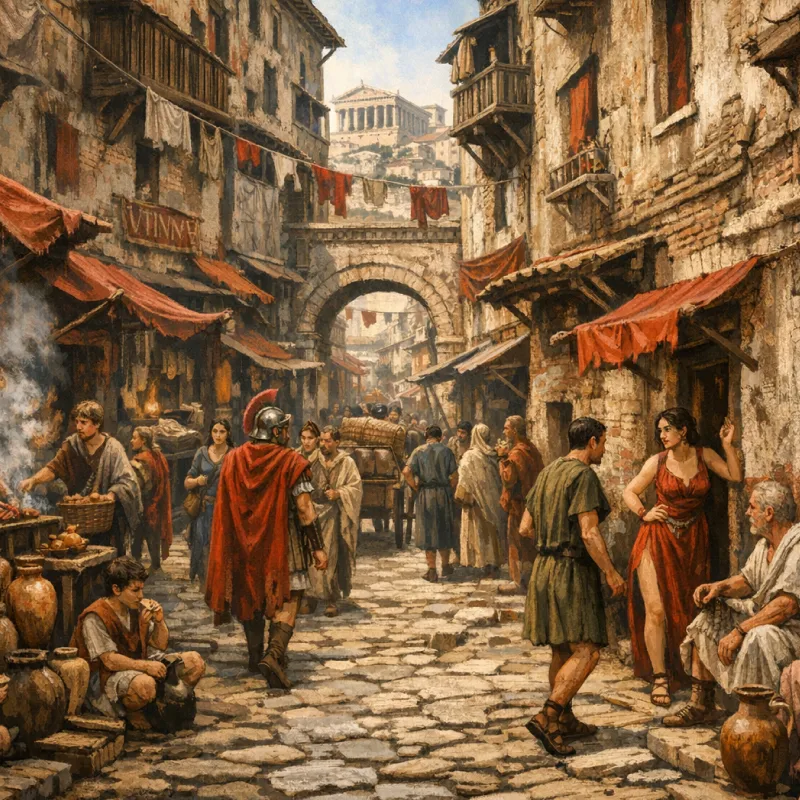
- I have a Republican Capital with Imperial age architecture
- The Danube is the Rhine (I do have the Danube flowing in the correct direction)
- North Wales is moved to Gaul (this one is my favorite)
The Historical part of the Historical Fantasy designation is pretty shaky to say the least. To avoid complaints, I never use the ‘R’ word (which was harder to avoid than you would think). It’s all just a framework so that I don’t have to go down the whole ‘world building’ route (that phrase really needs to die a horrible death). Everyone knows the difference between a Centurion and an Optio – or they should!
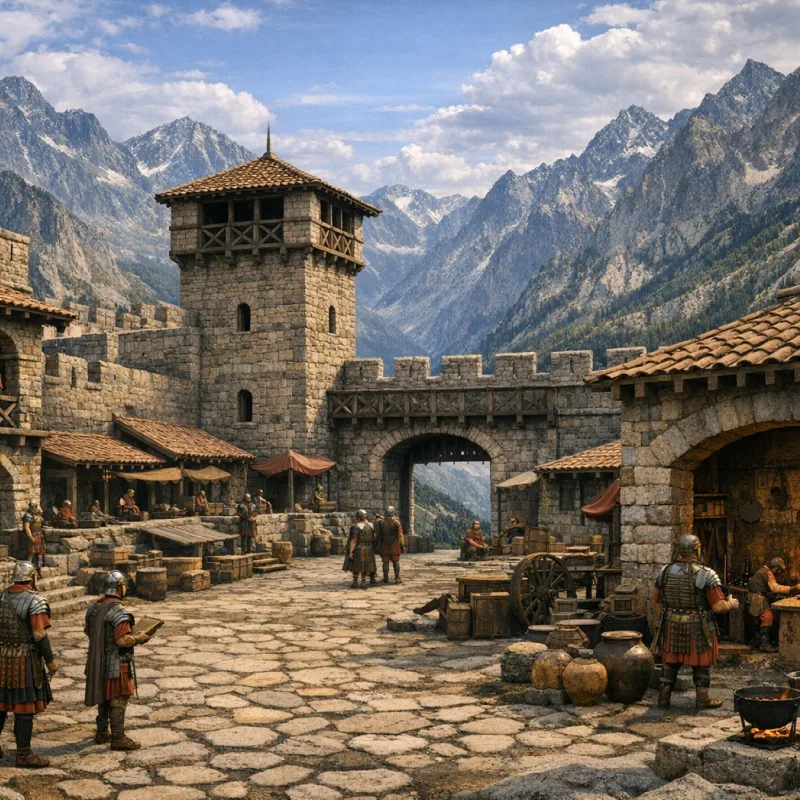
At the start of the novel the Empire (that remains nameless – given its wealth it doesn’t need a name) is in a weakened state. It still hasn’t recovered from the depredations of the Huns twenty years previous. The most obvious weakness being only currently fielding eighteen Legions – not the thirty that they mustered prior to the Hun war. The Celtic kingdoms of Gwynedd to their North have recovered from the Huns and been preparing for war. A single Legion guards the only two passes through the Alpine mountains (yes, that would be the Alps – just missing a few passes) that separate Gwynedd from the Empire.
Far to the east the Kingdom of the Huns is still in disarray and leaderless. Two great nephews of the last King, Bleda and Attila, are the leading contenders for the Hun throne, but they are far from achieving success.
King Magor, who led the Hun invasion and was killed on the gates of the Capitol (the major city of the known world’s richest Empire also doesn’t require a name), displaced many nations in his rise to power. The Magyar tribes struggle to survive on the northwestern steppe, and the remnants of the Dwarf nation have moved to the edge of the Empire. A third, the Anemoi, have also moved into the Empire. The Anemoi were driven out of their mountain home by the Celts of Snowdonia. Snowdonia is a small Kingdom on a high plateau surrounded by mountains in the very northwest of Gwynedd. The Snowdonian Celts are the only Celtic Kingdom allied with the Empire. The Dwarves are fairly somewhat better off (always a need for Blacksmiths and the like) than the Anemoi, but both races have a precarious existence. Non-citizens have next to no rights in the Empire.
The frontier forts is where Marcus will start his young adulthood. Septimus is claimed by a criminal syndicate and remains in the Capital. Criminal syndicates hold sway throughout the dangerous world of Subura (The first Law is not a joke). Guilds are also present and powerful. Marcus’ family was a member of the Traders Guild, and he originally planned on joining the Architects Guild. Timolen has plans to join a much more dangerous guild.
Here is a description of some locations:
THE NEWSLETTER
JOIN THE JOURNEY

Subscribe to receive updates on new releases, exclusive excerpts, and insights into the world of The First Law Is Survival.
